Introduction of aluminum foil
Mar 28, 2023
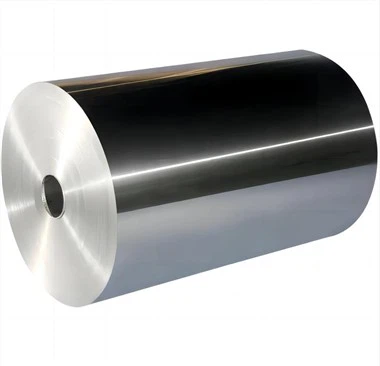
Aluminum foil is a thin sheet of aluminum metal that is widely used for many purposes, including food packaging, insulation, and decoration. It is made by rolling aluminum ingots into thin sheets, then cutting them into the desired size and shape.
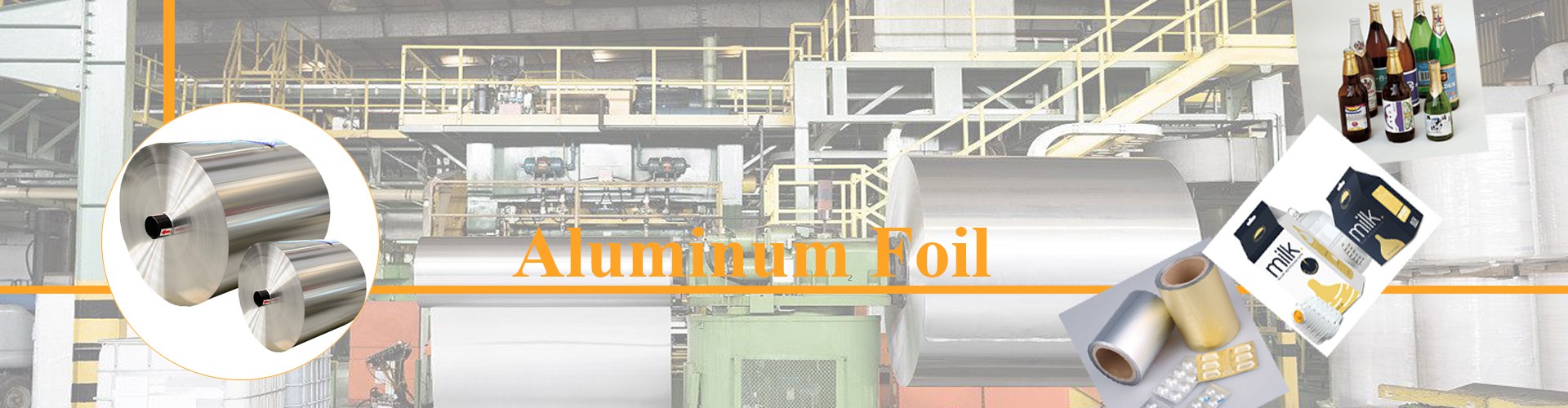
The use of aluminum foil for food packaging dates back to the early 20th century, when it was first used to wrap candy and cigarettes. It gained popularity in the 1940s and 1950s as a convenient and hygienic way to package and preserve food. Today, it is used for a wide range of food packaging applications, from wrapping sandwiches to baking pies and roasting meats.
One of the main advantages of aluminum foil is its ability to form a barrier against moisture, air, and light. This helps to prevent the spoilage and contamination of food products, and also helps to maintain their flavor and freshness. Aluminum foil is also a good conductor of heat, which makes it an ideal material for cooking and baking.
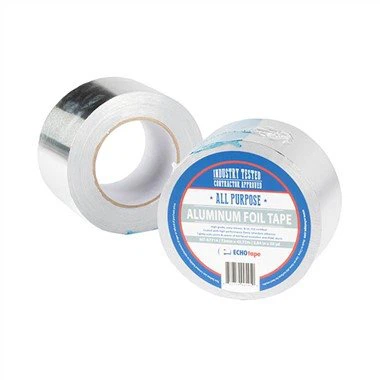
Aluminum foil is also widely used for insulation purposes, due to its ability to reflect and retain heat. It is often used to wrap pipes and ducts, as well as to insulate buildings and homes. Additionally, aluminum foil is commonly used as a reflective material in solar panels and other renewable energy systems.
Another important use of aluminum foil is in decorative applications. It can be embossed, stamped, and printed with a wide range of patterns and designs, making it a popular choice for gift wrapping, crafts, and other decorative purposes.
Aluminum foil is also lightweight, recyclable, and relatively inexpensive, making it a sustainable choice for many applications. However, there are some environmental concerns associated with the production and disposal of aluminum foil.
One of the main challenges with aluminum foil is that it requires a significant amount of energy to produce. The process involves mining bauxite ore, converting it to alumina, and then smelting it to produce aluminum metal. This process consumes a large amount of energy, and also generates greenhouse gases and other pollutants.
Additionally, aluminum foil can be difficult to recycle. While it is technically recyclable, many recycling facilities do not accept it due to contamination issues. This can lead to a significant amount of aluminum foil ending up in landfills, where it can take hundreds of years to decompose.
Despite these challenges, aluminum foil remains a popular and versatile material for many applications. As consumers become more aware of the environmental impact of their choices, there has been growing interest in sustainable alternatives to traditional aluminum foil.
One alternative that has gained popularity in recent years is biodegradable or compostable food packaging. These materials are typically made from plant-based sources such as corn starch or sugarcane, and can decompose in a matter of weeks or months. While they are generally more expensive than traditional aluminum foil, they offer a more sustainable choice for eco-conscious consumers.
In conclusion, aluminum foil is a versatile and widely-used material with many important applications. It is valued for its ability to provide a barrier against moisture, air, and light, as well as its conductivity and flexibility. However, it also presents environmental challenges related to its production and disposal. As sustainable alternatives continue to emerge, it will be important to strike a balance between the practical benefits of aluminum foil and the need to minimize its environmental impact.